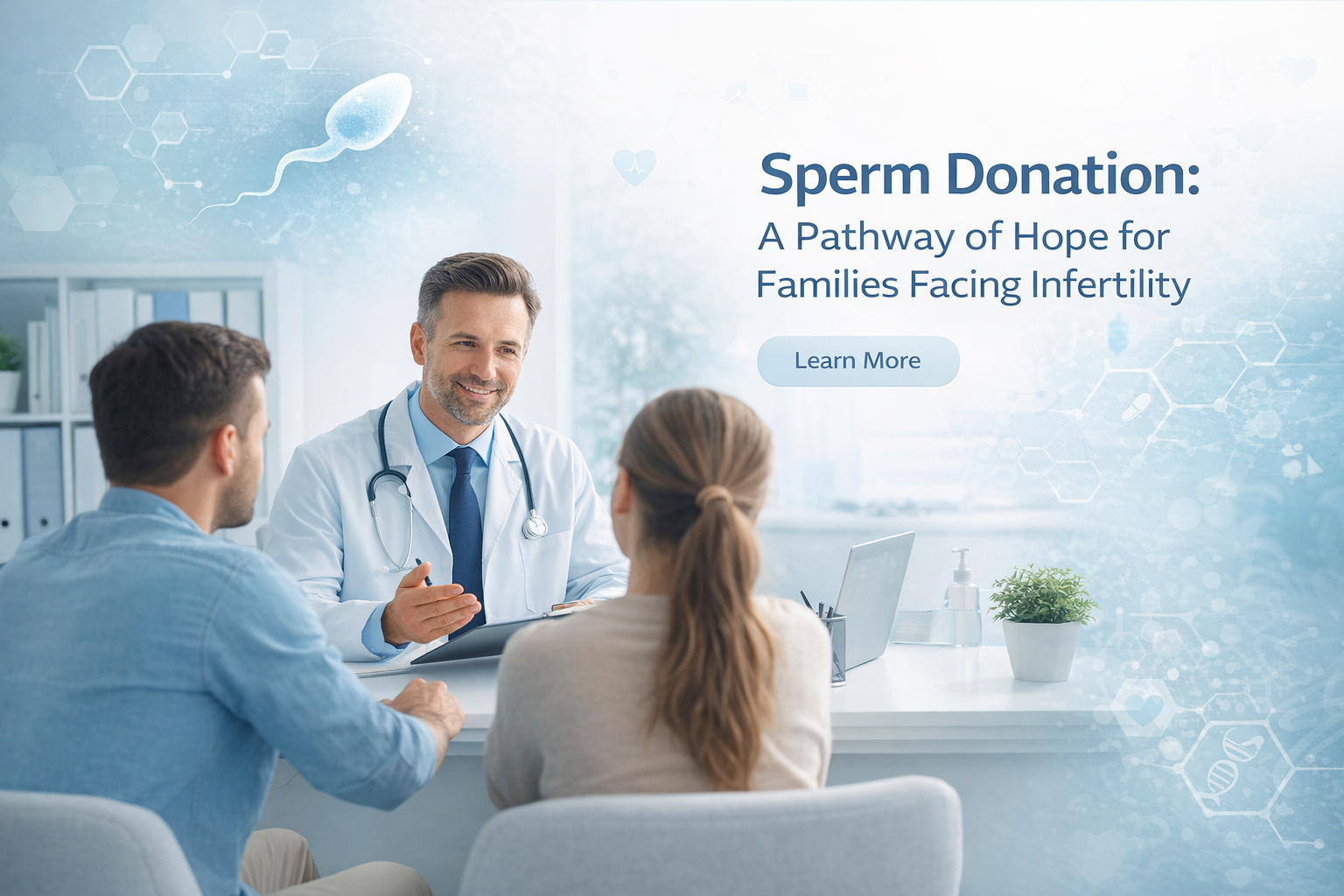

Sperm Donation: A Medical Pathway Offering Hope to Families Facing Infertility
Infertility affects millions of individuals and couples worldwide. For many, the dream of becoming parents can feel distant due to medical challenges such as low sperm count, genetic conditions, or other reproductive health issues. Fortunately, modern reproductive medicine provides several solutions, and one of the most effective options is sperm donation.
Sperm donation is a medically supervised process that allows families who cannot conceive naturally to experience pregnancy and childbirth. Through ethical and regulated fertility programs, donor sperm can help build families while maintaining safety, privacy, and dignity for everyone involved.
What Is Sperm Donation?
Sperm donation is a clinical procedure in which a healthy donor provides sperm to a licensed fertility center. Before acceptance, donors undergo strict medical screening, including:
- Physical health evaluation
- Genetic testing
- Blood screening
- Infectious disease testing
- Lifestyle assessment
Only candidates who meet medical and ethical standards are approved. This ensures the health and safety of both the recipient family and the future child.
Who Can Benefit from Sperm Donation?
Sperm donation may help:
- Couples experiencing male infertility
- Individuals with genetic disorders they wish to avoid passing on
- Single women who wish to become mothers
- Same-sex female couples planning a family
For many of these families, sperm donation provides a safe and hopeful path toward parenthood.
How Sperm Donation Helps Families
1. Restores the Possibility of Parenthood
For couples unable to conceive due to male infertility, donor sperm can make pregnancy possible through procedures like IUI or IVF.
2. Supports Healthier Pregnancies
Because donors undergo medical and genetic screening, risks of inherited conditions can be reduced.
3. Strengthens Emotional Well-Being
Infertility can place emotional stress on relationships. Having a viable medical option often restores hope and confidence.
4. Provides an Alternative When Other Treatments Fail
In cases where medication or surgical interventions are unsuccessful, sperm donation may offer a reliable alternative.
Emotional and Ethical Considerations
Choosing sperm donation is a deeply personal decision. Many couples seek counseling before moving forward. Professional guidance helps families understand:
- The emotional impact
- Legal considerations
- Confidentiality options
- Future communication with the child
Reputable clinics follow strict ethical guidelines and maintain confidentiality throughout the process.
The Role of Support Organizations
Organizations dedicated to fertility awareness play an essential role by:
- Providing accurate medical information
- Connecting families with licensed fertility centers
- Offering emotional support
- Creating safe spaces for discussion
- Promoting responsible and ethical practices
Education and support can help families make informed decisions during what may be a sensitive time.
A Message of Hope
Infertility is a medical condition, not a personal failure. With advancements in reproductive medicine and proper support, many families have been able to experience the joy of parenthood.
Sperm donation, when conducted responsibly and ethically, is one of the medical pathways that can help transform uncertainty into hope.
If you or someone you know is facing fertility challenges, seeking professional medical advice and reliable guidance can be the first step toward building a future filled with possibility.






Leave a Reply